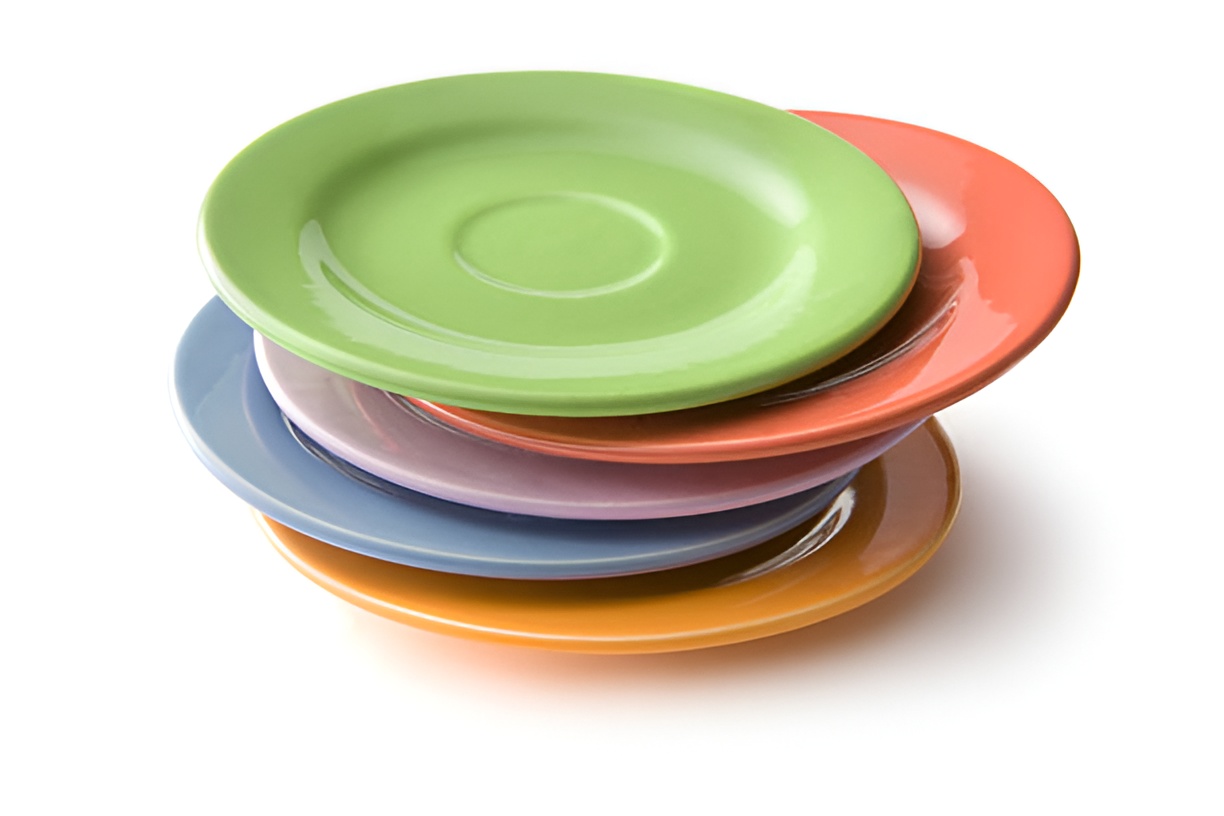

- Household items can replace packing paper: Towels, t-shirts, socks, blankets, and cloth napkins provide excellent cushioning for dishes.
- Preparation is key: Clean, sort, and inspect dishes for damage before packing to prevent breakage.
- Wrap and layer carefully: Individually wrap plates, bowls, glasses, and mugs; use layers of soft materials for added protection.
- Use boxes strategically: Choose small-to-medium boxes, line them with towels, fill gaps with fabric, and avoid overstacking.
- Keep fragile items separate: Pack plates, bowls, and glasses in separate boxes or use dividers to prevent collisions.
- Handle with care during moving: Lift boxes from the bottom, avoid stacking heavy items on fragile boxes, and secure boxes in the vehicle.
- Double-check and label: Label boxes clearly as “Fragile – Dishes” and fill all voids to minimize shifting during transit.
Moving can be stressful, especially when it comes to packing fragile items like dishes. Traditional packing paper can get expensive, and sometimes you just don’t have enough lying around. Luckily, there are plenty of household items you can repurpose to protect your plates, bowls, and glasses. In this guide, we’ll walk you through how to pack dishes for moving without paper using household items, ensuring your dishes arrive intact and your move stays budget-friendly.
Why Consider Packing Dishes Without Paper?
You might be wondering, why even try to pack dishes without paper? There are a few reasons:
- Cost savings: Packing paper can add up, especially if you have a large collection of dishes.
- Sustainability: Reusing household items reduces waste and keeps you eco-friendly.
- Convenience: Many of these items are already at home, so you don’t need to make extra trips.
- Effectiveness: With the right techniques, everyday items can offer equal or better protection than paper.
So, ditch the paper and get creative with what you already have around the house.
What Household Items Can You Use Instead of Paper?
Before we dive into packing techniques, let’s look at some common household items that work perfectly for cushioning dishes:
- Towels: Kitchen towels, hand towels, or even bath towels.
- Cloth napkins: These smaller items are perfect for wrapping individual pieces.
- Socks: Odd socks can be slipped over glasses or delicate items.
- T-shirts: Old or unused t-shirts can serve as padding or wrapping material.
- Blankets and sheets: Great for larger dishes or for lining the bottom of boxes.
- Foam or silicone trivets: These can act as separators between plates.
- Bubble wrap alternatives: If you have air-filled packaging from delivered products, reuse it.
The key is to combine soft materials with secure packing techniques to prevent shifting and breakage during transit.
How to Prepare Your Dishes for Moving Without Paper
Before you start packing, it’s important to understand how to pack dishes for moving efficiently, even without traditional packing paper. Proper preparation sets the stage for a safe, stress-free move. Here’s a step-by-step approach:
- Clean your dishes: Make sure each dish is washed and dried completely. Any leftover moisture could cause stains or mold.
- Sort and categorize: Group dishes by type and size. Stackable items like plates and bowls should be separated from fragile glasses and mugs.
- Inspect for damage: Check for chips or cracks before packing. Damaged items are more likely to break during the move.
- Gather your packing materials: Collect towels, t-shirts, socks, and any other household items you plan to use. Make sure they’re clean and free of debris.
How Should You Pack Plates Without Paper?
Plates are often the most challenging dish to pack. Here’s a step-by-step method using household items:
- Stack carefully: Only stack plates of similar size. Limit each stack to 3-5 plates to avoid too much weight on the bottom plate.
- Wrap individually: Use a kitchen towel or t-shirt to wrap each plate. Fold the fabric around the plate, ensuring all edges are covered.
- Use dividers: Place a folded towel, thin blanket, or silicone trivet between stacked plates for extra cushioning.
- Pack vertically if possible: Boxes designed for dishes often work better if plates are placed on their edge rather than flat. This reduces the pressure and chance of cracking.
What About Bowls and Other Curved Items?
Bowls, soup plates, and other non-flat items need a slightly different approach:
- Wrap like plates: Use towels or cloth napkins to wrap each bowl individually.
- Nest cautiously: You can nest bowls inside one another, but place a layer of soft cloth between each bowl.
- Line the box: Cover the bottom of the box with a thick towel or folded sheet to cushion the base.
How Can You Pack Glasses and Mugs Without Paper?
Glasses and mugs are extremely fragile, but household items can keep them safe:
- Socks: Slip a sock over each glass or mug for soft, snug protection.
- T-shirts or towels: Wrap larger glasses or mugs in a folded t-shirt or kitchen towel.
- Separate tightly: Make sure glasses aren’t touching each other in the box. Use rolled-up towels to fill any gaps.
- Pack upright: Keep glasses upright whenever possible to avoid top-heavy boxes that can tip over.
How to Use Towels and Linens Effectively
Towels and linens are some of the best household alternatives to packing paper. Here’s how to make the most of them:
- Layering: Fold towels or sheets multiple times for thicker padding.
- Wrapping: Place smaller towels inside larger ones for added cushioning.
- Box lining: Cover the bottom and sides of your box with towels to create a soft nest.
- Void filler: Roll towels or blankets to fill gaps between dishes and the walls of the box.
Can You Use Clothing to Pack Dishes?
Absolutely. Clothing like t-shirts, sweaters, and even jeans can double as protective padding:
- Soft fabrics work best: Avoid rough fabrics that might scratch delicate items.
- Wrap and cushion: Fold clothing around dishes like you would with paper.
- Stuff tight spots: Socks, gloves, and scarves are perfect for filling small spaces in the box.
- Cost-effective: You’re essentially moving two items at once: your dishes and your clothing.
Tips for Packing Boxes Without Paper
Packing without paper is one thing, but packing boxes correctly is another. Follow these tips:
- Choose the right box size: Small to medium boxes work best for dishes. Avoid overloading large boxes.
- Layer strategically: Bottom layer of padding (towel/blanket), dishes in the middle, top layer of padding.
- Fill gaps: Prevent dishes from shifting by filling all voids with fabric or soft items.
- Label boxes clearly: Write “Fragile – Dishes” on each box so movers handle with care.
How Do You Pack Plates and Glasses Together?
It’s tempting to pack everything in one box, but mixing plates and glasses increases the risk of breakage. Here’s a safer approach:
- Separate boxes for plates and glasses: Keeps heavier items away from fragile ones.
- Use dividers: If you must pack glasses with plates, use thick towels or folded clothing as dividers.
- Keep weight in check: Avoid overloading boxes; heavier items at the bottom, lighter ones on top.
Moving Day: Handling Packed Dishes
Packing is only half the battle; the way you handle boxes during the move matters too:
- Lift carefully: Always lift boxes from the bottom.
- Avoid stacking too high: Don’t place heavy boxes on top of fragile dish boxes.
- Secure in the vehicle: Use towels or blankets to wedge boxes in place so they don’t slide.
- Unpack promptly: Don’t leave fragile boxes sitting for days; unpack as soon as you arrive.
Common Mistakes to Avoid
Even with household items, there are pitfalls to watch out for:
- Overstacking plates: Too many plates in one stack can crack the bottom one.
- Using thin fabric alone: One thin t-shirt might not be enough; layer for protection.
- Not filling gaps: Boxes with empty spaces allow dishes to shift and break.
- Ignoring fragile labeling: Movers might not notice unlabeled boxes.
Quick Tips for Maximum Protection
- Double-wrap fragile items whenever possible.
- Use towels or blankets for both wrapping and void filling.
- Keep plates upright and glasses standing.
- Reuse any clean bubble wrap or packaging from previous deliveries.
- Pack heavier dishes at the bottom of the box.
Are Household Items Really Safe for Packing Dishes?
Yes. With proper technique, household items can be just as safe as traditional packing paper:
- Soft, layered materials absorb shocks during transportation.
- Wrapping each dish individually prevents scratching.
- Filling empty spaces prevents movement inside the box.
The key is preparation and careful packing. With these strategies, your dishes can survive the move without a single sheet of packing paper.
In Closing
Moving doesn’t have to be expensive or stressful. By learning how to pack dishes for moving without paper using household items, you save money, reduce waste, and make your move more convenient. Towels, t-shirts, socks, and blankets are all surprisingly effective at cushioning delicate dishes when used correctly. Just remember to clean, sort, wrap, and fill voids, and your dishes will arrive at your new home safely.